
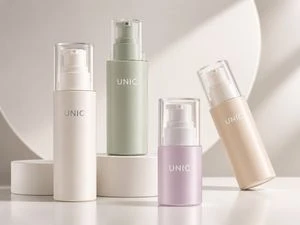
 Airless Bottles
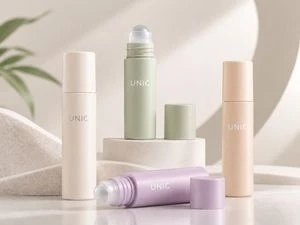 Roll On Bottles
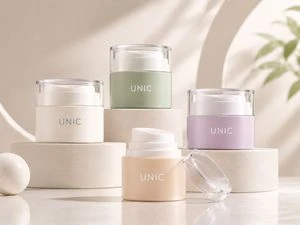 Airless Cream
Jar
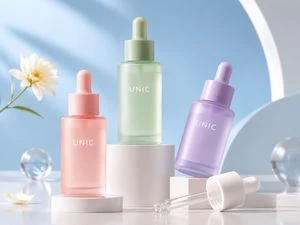 Dropper Bottles
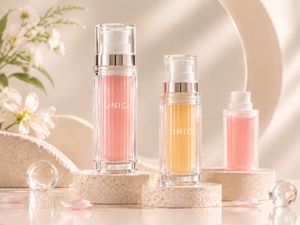 Refillable
Packaging
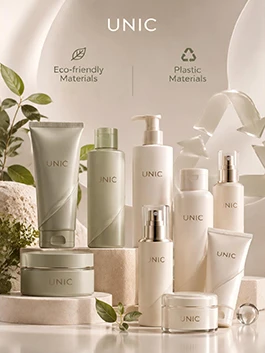
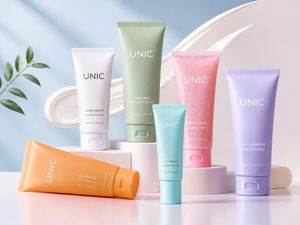 Cosmetic Tubes
 Cosmetic
Bottles
 Cosmetic Jars
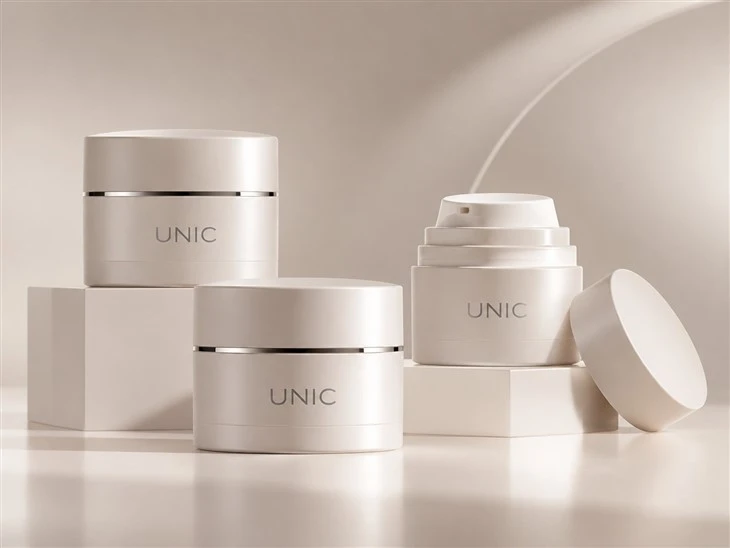
Airless Pump Cream Jar
Available in different designs and packaging configurations, these jars can be selected according to formulation characteristics, filling volume, and brand packaging requirements. Unic Green Pack supports customization of jar colors, logo printing, and exterior finishes to help skincare brands develop packaging that matches their product positioning.
Specifications
| Parameter | Details |
|---|---|
| Capacity | 15ml, 30ml, 50ml, 100ml |
| Material Options | PP, AS, PETG |
| Product Type | Airless Cream Jar |
| Dispensing Type | Pump Dispenser |
| Application | Face Cream, Eye Cream, Moisturizer, Repair Cream |
| Customization | Color, Logo Printing, Surface Decoration |
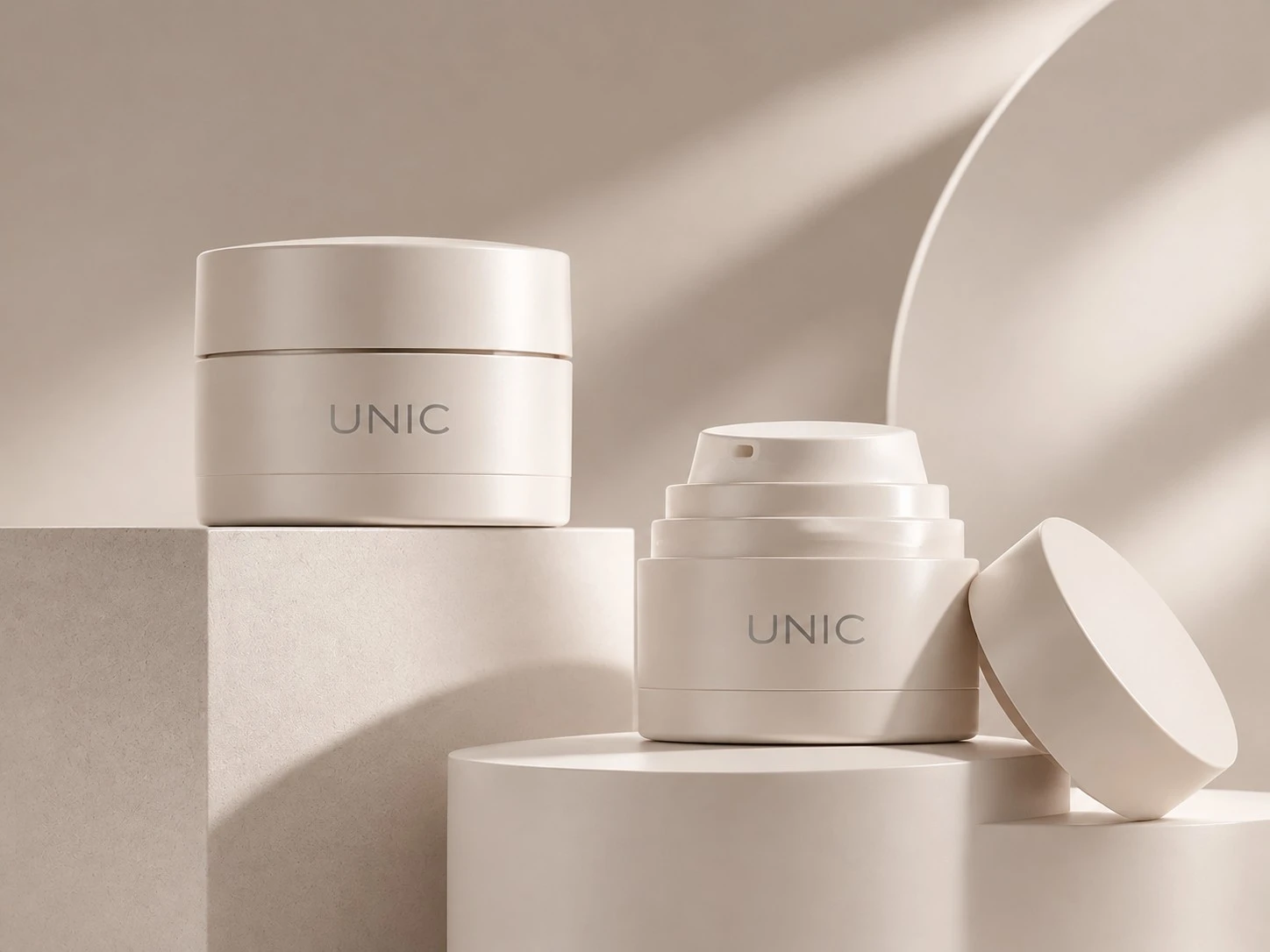
Airless Pump Cream Jar Features & Benefits
Airless Pump Cream Jars combine a cream container with a pump dispensing system, allowing users to access skincare formulations without repeatedly opening a conventional jar. The dispensing structure is designed to move the cream toward the outlet as the product is used, making it suitable for daily skincare packaging where controlled access and product handling are important.
- Reduced Direct Contact: The pump-operated design allows users to dispense cream without directly touching the remaining contents, reducing repeated hand contact with the formulation.
- Controlled Dispensing: Each press activates the dispensing mechanism to release a portion of the cream, helping users manage product application without scooping from an open container.
- Reduced Air Exposure During Use: The enclosed container and dispensing outlet limit the formulation's exposure to the surrounding environment during normal use compared with conventional open-mouth jars.
- Product Evacuation Design: The moving piston helps push the remaining formulation toward the dispensing area as the contents are consumed, supporting access to the product throughout its use.
Airless Pump Structure & Dispensing Mechanism
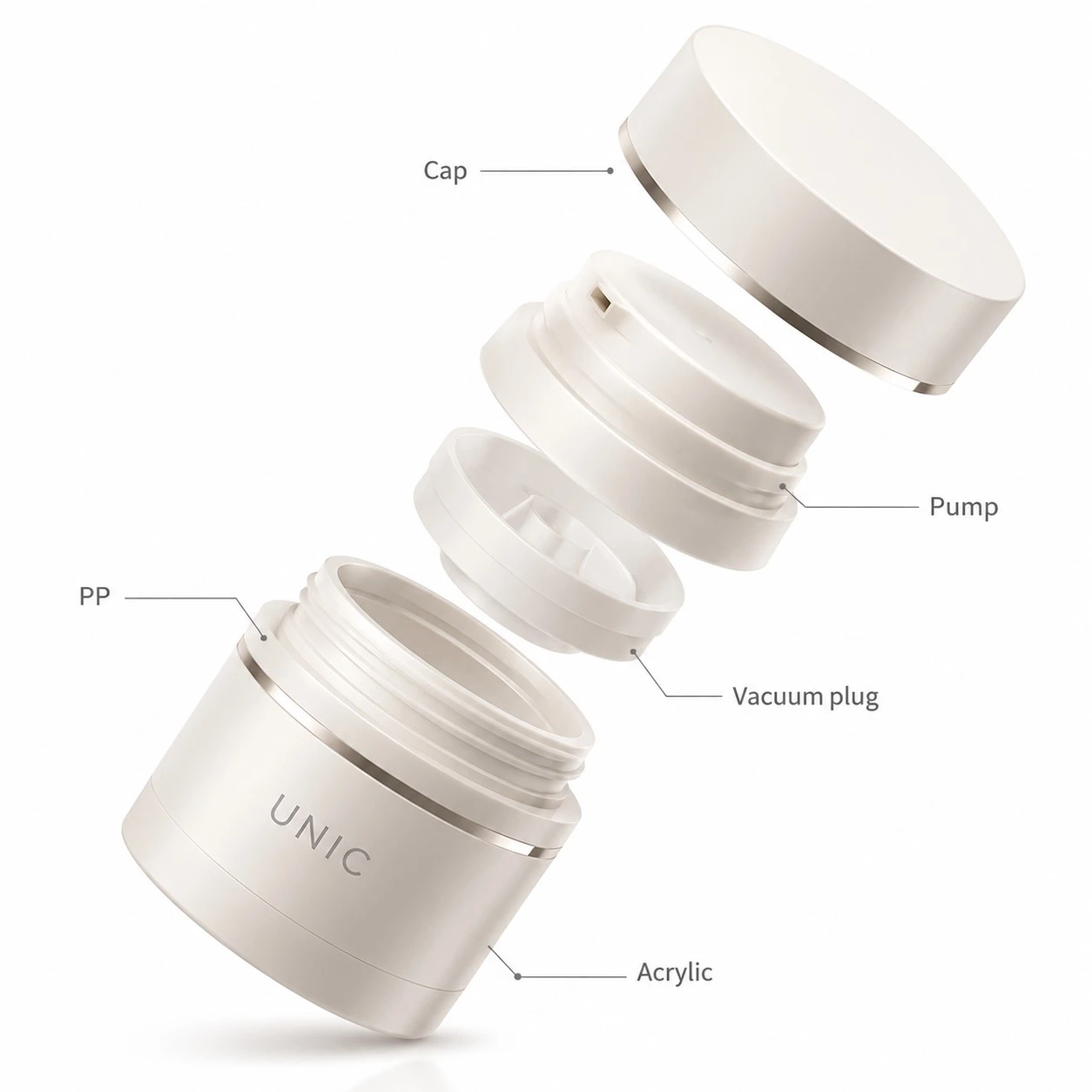
The dispensing performance of an airless cream jar depends on the coordination between its pump assembly, internal container, and moving piston. Each component has a specific role in storing and delivering the formulation.
·Outer Jar: Forms the external packaging body and protects the internal components. Its shape, color, and exterior finish also determine the overall presentation of the product.
·Inner Container: Holds the skincare formulation and provides the space in which the product is stored before dispensing.
·Pump Assembly: Contains the operating mechanism that responds to pressure from the user. When pressed, the pump draws and delivers the formulation through the dispensing channel.
·Dispensing Outlet: Directs the cream from the pump toward the application area. Its opening dimensions should be compatible with the formulation's consistency.
·Moving Piston: Located beneath the formulation in common piston-type designs. As the product is dispensed, the piston moves upward to reduce the unused space inside the container.
Airless Pump Cream Jar Customization
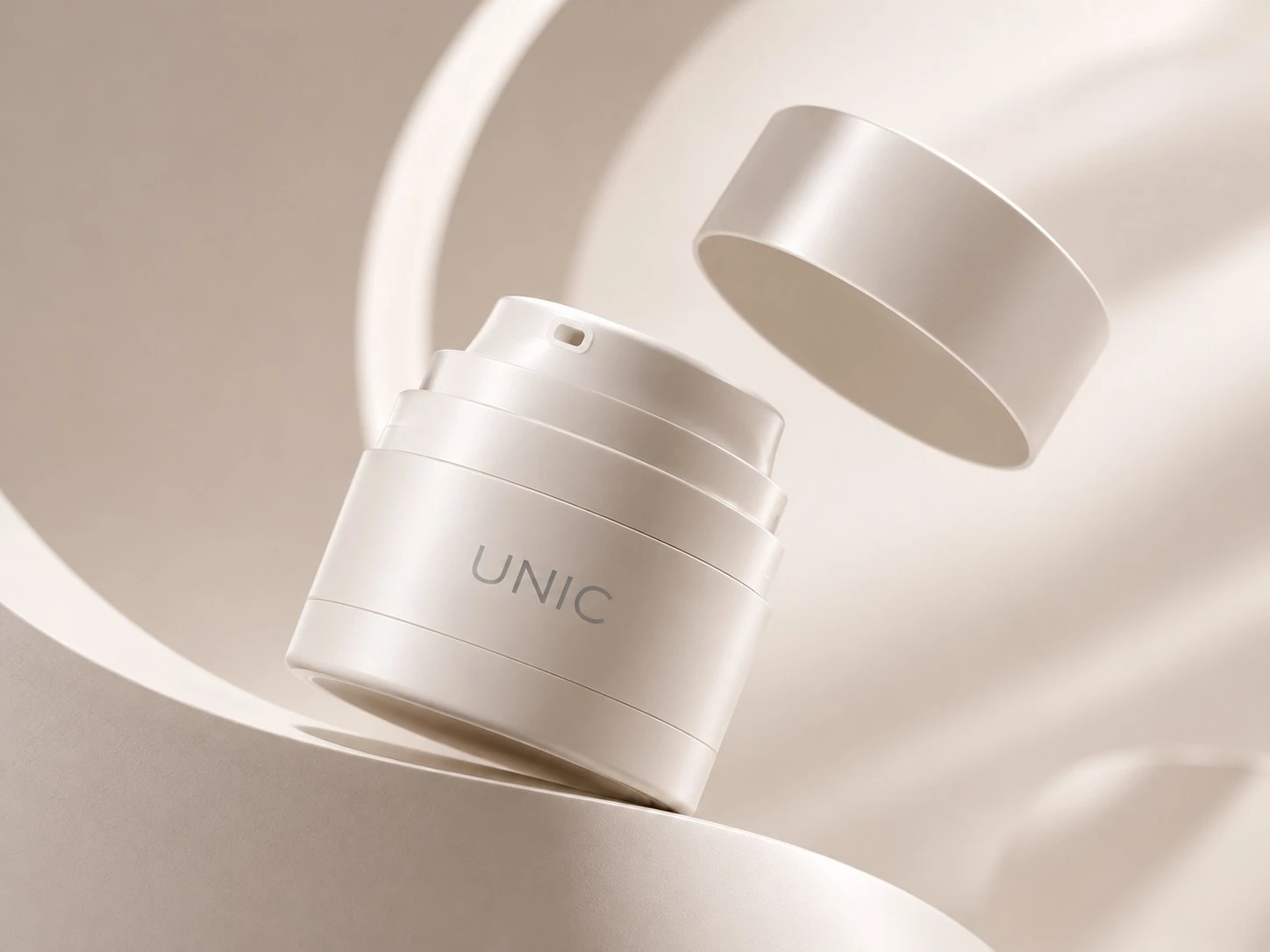
Unic Green Pack provides customization options for airless cream jar packaging, allowing brands to coordinate the container appearance, material selection, and decorative details according to their product positioning.
Material Selection
Choose from PP, AS, and PETG options according to the selected model and desired packaging appearance. Material combinations can be evaluated based on transparency, structural requirements, and compatibility with the formulation.
Jar Color & Appearance
Develop body colors according to brand references or Pantone color specifications. Different color arrangements can also be considered for skincare product series with multiple formulations or product grades.
Logo & Artwork Printing
Apply brand logos, product names, and graphic elements to the jar exterior. Artwork positioning, printing area, and color arrangements can be reviewed according to the available surface and selected decoration process.
Surface Finishing & Component Matching
Select compatible finishes such as matte, glossy, or frosted effects. The outer jar, pump top, and other visible components can be coordinated to create a consistent packaging appearance.
Cream Formulation Compatibility & Dispensing Performance
Viscosity & Flow Characteristics: Lightweight creams and thicker formulations may require different dispensing conditions. The pump channel and outlet should be evaluated against the actual cream consistency to avoid difficult dispensing or interrupted flow.
Cream Texture & Particle Content: Formulations containing waxes, oils, or suspended particles require particular attention to outlet dimensions and pump passage compatibility. Large particles or unsuitable textures may interfere with dispensing.
Dispensing Quantity: The amount released per press depends on the pump configuration and formulation properties. Sample testing helps determine whether the output is suitable for the intended application.
Residual Product Assessment: The interaction between the piston, inner container, and formulation affects how much cream remains after normal use. Compatibility testing can help identify potential residue or dispensing difficulties.
Airless Pump Cream Jar Quality Inspection
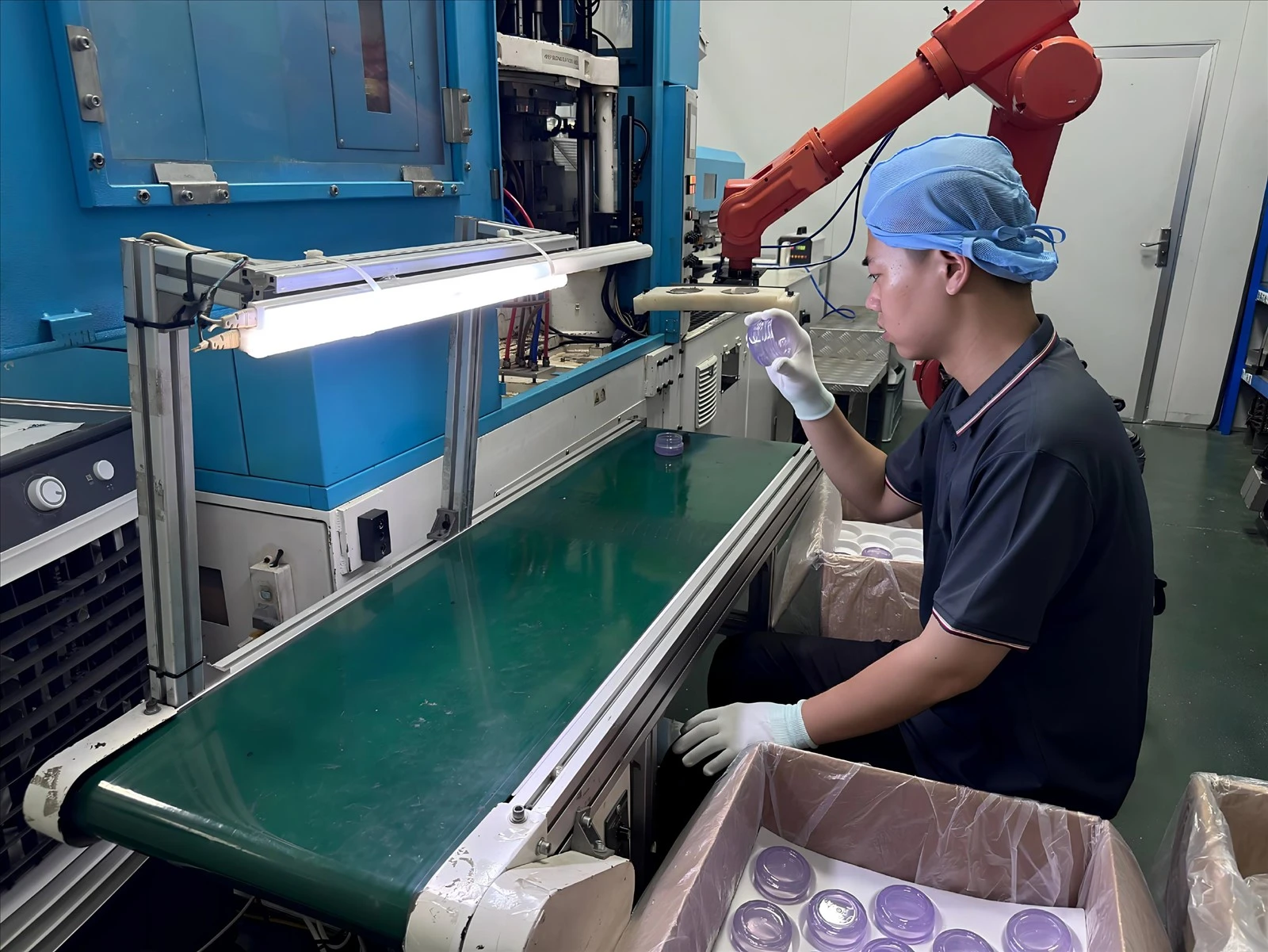
For airless cream jars, quality inspection needs to cover both the external packaging and the internal dispensing system. Particular attention should be given to pump operation, piston movement, component fitting, and the consistency of cream delivery.
Pump Activation Test:
Check whether the pump responds properly to repeated presses and whether the dispensing action remains consistent during operation.
Output Performance Test:
Evaluate the amount and condition of cream released through the outlet, checking for interrupted flow, excessive discharge, or uneven dispensing.
Piston Movement Inspection:
Examine the movement of the internal piston during product dispensing to identify abnormal resistance, tilting, or movement interruptions.
Component Assembly Check
Inspect the fitting between the pump assembly, inner container, outer jar, and other connected components to identify gaps, loose connections, or incorrect positioning.
Leakage & Sealing Inspection:
Check the assembled packaging for leakage under appropriate test conditions, paying attention to component connections and the dispensing area.
Appearance Inspection:
Examine the jar surface, color consistency, printing position, and visible defects against the approved sample.
Airless Pump Cream Jar Manufacturer
Our manufacturing operations cover cosmetic tubes, bottles, jars, and aluminum tins, supported by production management and quality control procedures. With ISO 9001:2015 and ISO 14001:2015 management systems, we coordinate packaging production and order requirements for customers seeking ongoing product supply.
Manufacturing Facilities: Our production resources include dedicated tube and bottle manufacturing facilities, supporting different cosmetic packaging categories and product specifications. Manufacturing arrangements are organized according to product models, material requirements, and confirmed orders.
Production Management & Quality Systems: Production activities are coordinated through defined operating procedures and quality management practices. From material preparation to finished product inspection, process controls help maintain consistency with approved specifications.
Bulk Order & Supply Coordination: We support production scheduling, packaging specification management, finished product inspection, and shipment coordination. These arrangements help manage wholesale orders and provide reference standards for subsequent repeat purchases.
FAQ
What factors should I consider when selecting the capacity?
Consider the amount of cream required per package, the recommended usage period, and the product's retail positioning. The available capacities include 15ml, 30ml, 50ml, and 100ml. The selected size should also match your filling quantity and packaging requirements.
Are these jars suitable for creams with different viscosities?
They can accommodate different cream textures, provided the formulation is compatible with the pump system. Thick creams, fast-setting formulas, or products containing solid particles may affect dispensing performance. Testing with the actual formulation is recommended before confirming the packaging.
Can the packaging be tested with our own skincare formula?
Yes. We recommend conducting compatibility tests with your actual formula before mass production. Testing can help evaluate dispensing consistency, pump operation, formula retention, and any changes in the product during contact with packaging components.
What should be checked during a dispensing test?
Key checks include the amount delivered per press, pump reset performance, dispensing smoothness, and whether the outlet becomes blocked during repeated use. It is also useful to evaluate the remaining product after normal dispensing cycles.
Can the pump performance vary depending on the formulation?
Yes. Viscosity, flow behavior, and ingredient characteristics can influence how the pump operates. A formula that dispenses smoothly in one configuration may require testing or a different component arrangement in another.
Hot Tags: airless pump cream jar, China airless pump cream jar manufacturers, suppliers, factory
You Might Also Like


Send Inquiry